Category Archives: Sin categoría

SONG FOR THE SUPERMAN

SONG FOR THE SUPERMAN

The Via Po, Turin,
January 3 1889

I wasn’t given tears, only toil.
The lash and harness my life.

Nietzsche and the Horse

Nietzsche and the Horse

No stall for a home, streets are my grass and path.
Each day I feel myself becoming slower,

the stones coming closer, the voices more hectoring,
the cold words sting my back.

My muscles are strapped,
though I remember a quick morning

when mere sight of the sun
was an invitation to race.

Now the coachman beats me,
claiming his god’s anger,

demanding more work from me,
more effort, pull, obedience and strength,

with no rest,
each day an ending without reward.

Suddenly he was there, dishevelled, shivering,
clothes so ragged he could have been naked.

Not like the others, he wept,
shouting to the whip I barely felt.

His face close, that warm fleshsmell,
his arms around my neck.

Startled, I stamped and reared,
raising my head, almost noble again.

He embraced me,
his voice pitying.

O my brother.
He. Human.

I wasn’t given tears, but behold
the man crying out for me,

though he appeared too late,
his weeping too late.

“The Unsaid Passing” BW Powe (Guernica) 2005

New Book by BW Powe it is now available

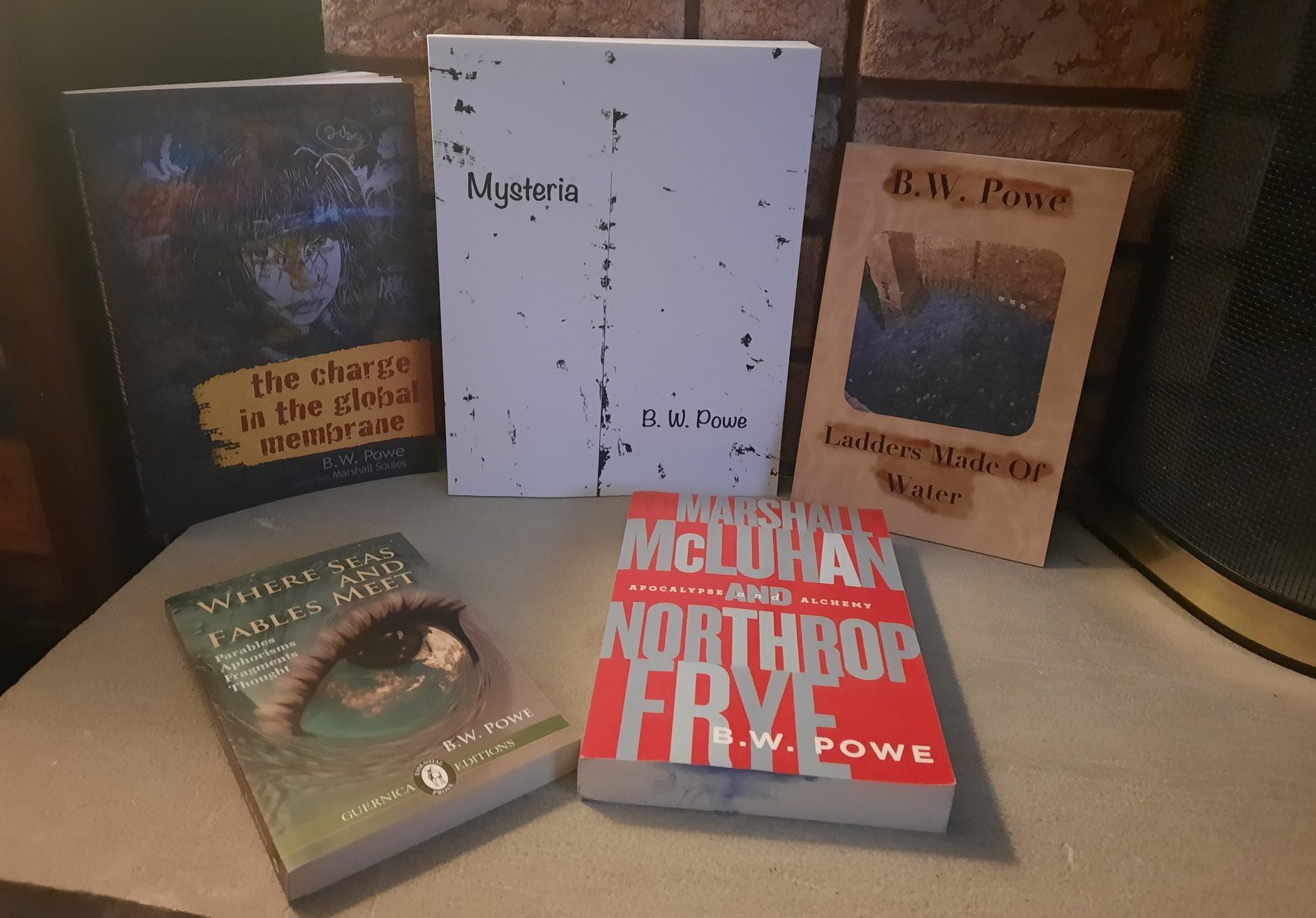
 Marshall McLuhan and Northrop Frye: Apocalypse and Alchemy

Book“An entirely fresh view of McLuhan and Frye, the great Orator and the great Theorist, as exuberant visionaries who breached the future in tandem during their years teaching at the University of Toronto. Powe’s scholarship is marked by a distinctive ease and clarity of style rooted in a rigorous reading of all the pertinent texts.”
Barry Callaghan, editor-in-chief, 
Exile: The Literary Quarterly

Marshall McLuhan and Northrop Frye: Apocalypse and Alchemy is a powerful study in literary theory and philosophy, written by a scholar with intimate knowledge and understanding of these twin giants of the 20th century intellectual landscape. This highly original work provides us with a dialectic between systems of thought that leads to a synthesis of unequivocal significance, or perhaps more properly, a portrait of polar oppositions that is mediated in a manner that is not only balanced and harmonious, but altogether magical.”
Lance Strate, Department of Communication and Media Studies, Fordham University, and author of Echoes and ReflectionsOn the Binding Biases of Time, and Amazing Ourselves to Death

Marshall McLuhan and Northrop Frye is the first book to thoroughly address the uncanny relation between these two great Canadian thinkers in a systematic way. B.W. Powe shows a deep knowledge of both McLuhan’s and Frye’s works, as well as of their critics.”
Elena Lamberti, Department of Foreign Languages and Literature, University of Bologna

McLuhan y Frye2

Fractal Maxims by BW Powe

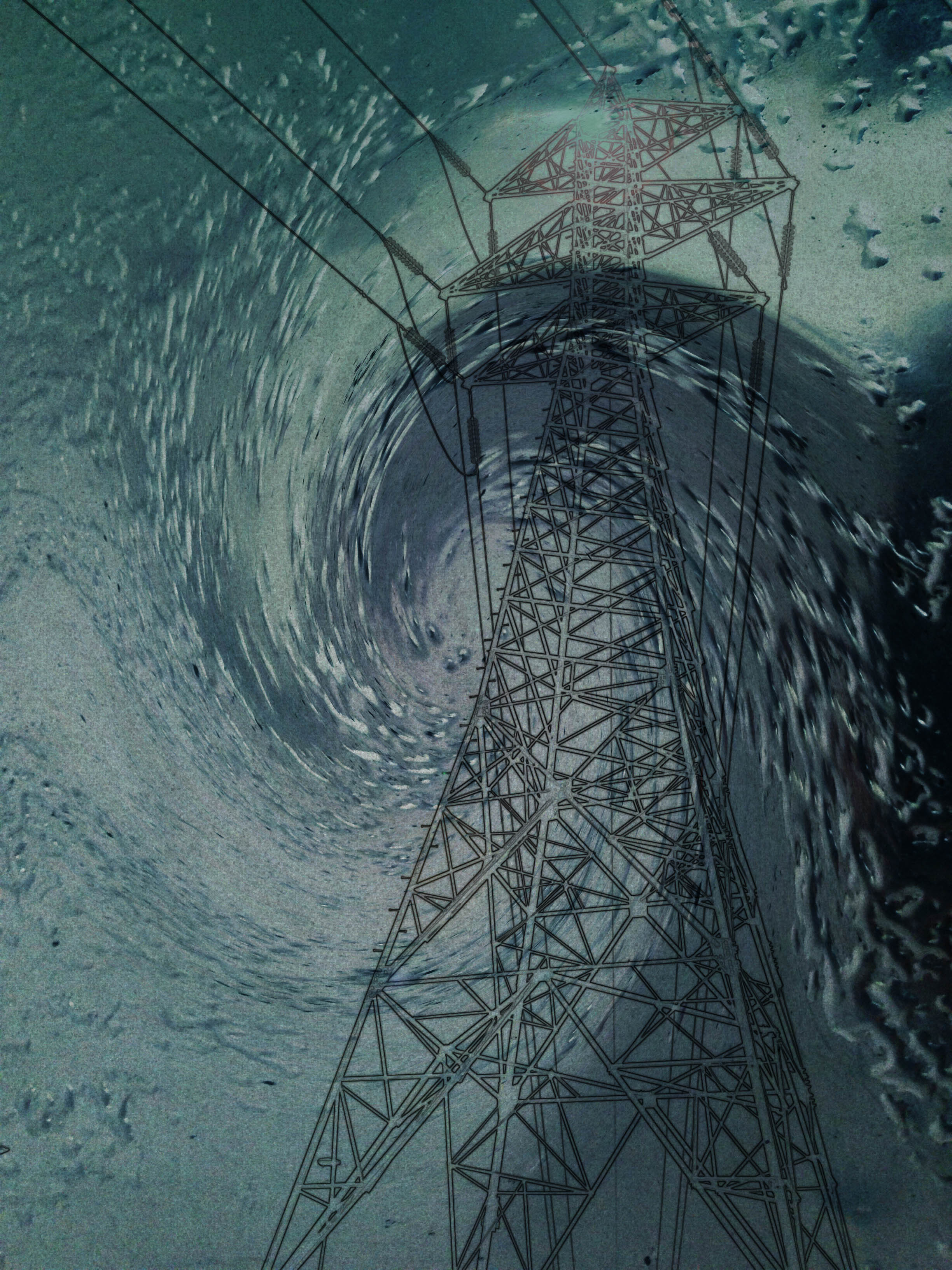
Art by Cristina Miranda de Almeida

Art by Cristina Miranda de Almeida

                      *

                       I have no conclusions, only beginnings.

                          *

                       I’m trying to see things in the ways that they could be.

                          *

                       Going behind the firewalls… This is part of our pilgrimage now.

                       You travel in danger of being misunderstood. You should also travel in danger of being immediately understood.

                            *

                        Stress test for the divine in us: we exhale our breath in our words and images to make them live. This is inspiration. We utter to outer. Then God knows what comes out.

                           *

                        Know yourself?  Can this ever completely happen? …Only the untraveled and inexperienced truly know themselves.

                           *

                        Whisper to your self and to your friends: don´t confuse us with too many facts… The light is on, and facts are shimmered with transient light. Light is the normal activity of everything. This may be why transparency and candour are vital to us. The intensity of electronic effects must create new environments.  Electricity is anonymous, unanimous: its users are individuals.

                            *

                         I know a lot of broke people with iPhones.

                            *

                         It´s important to get lost in the wilds once in a while…

                         Nowadays it’s a luxury to get lost, because so many people have a GPS.

                         But remember when you travel you no longer need a passport, you just need a labtop.

                             *

                          The necessary rebellion: against a life without inspiration.

                              *

                        Whisper this into willing ears (courtesy of Richard Maurice Bucke and Walt Whitman, their convergence): you are a cosmos, you carry it in you and you are inside it.  The medium is the metamorphosis. Today´s gnomic statement is tomorrow´s vital banner and indispensable cliché.

                               *

                         Expressing the inexpressible has surely become part of our goal…

                               *

                        New consciousness is our business.

                        Our time: now. Our location: the global membrane (formerly the global theatre). Our identity: unfinished. Our destination: unknown.

                               *

                         Pass it on.

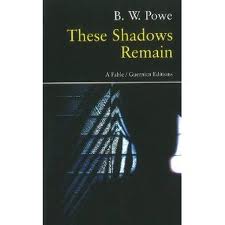
These Shadows Remain

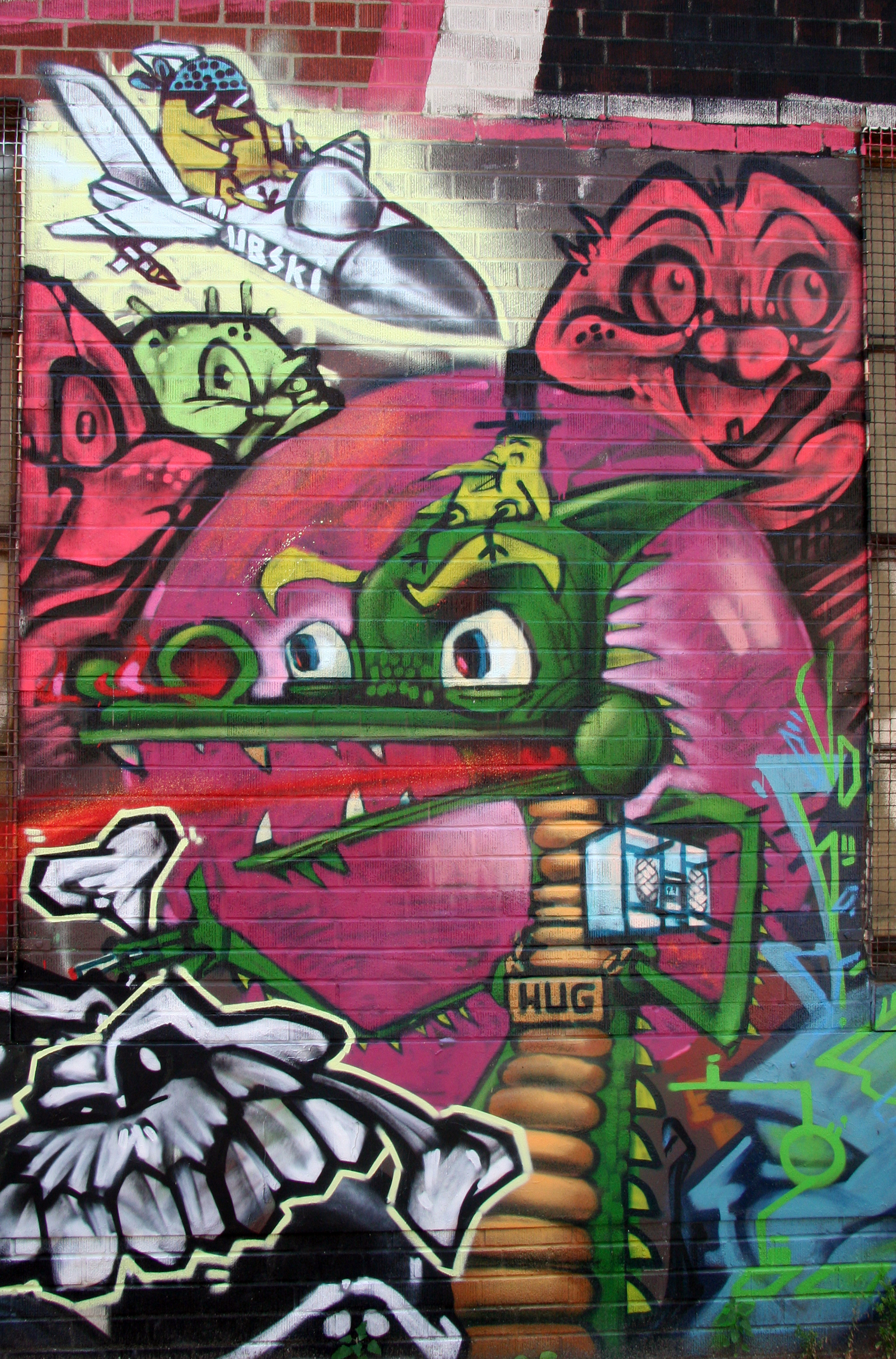
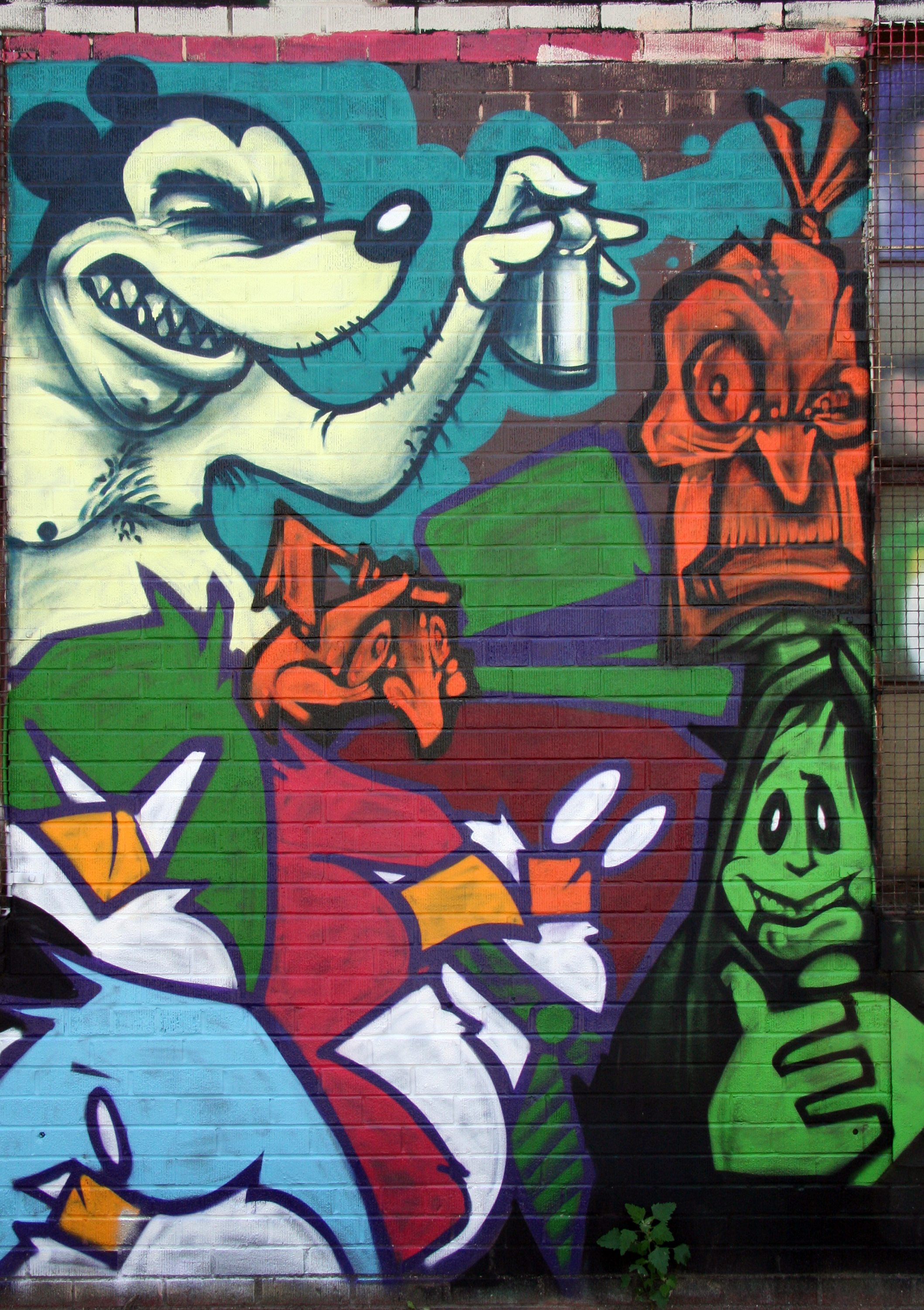
  • theseshadowsremain“This book is Franz Kafka meets Walt Disney. It is a visionary fable about images and dreams coming to life to haunt humans. It’s about how humans must come to terms with images and dreams. It is “Who Framed Roger Rabbit” as if rewritten by Marshall McLuhan. It is a necessary fable about how the world of images influences us and shapes us. It is an inspirational fable about how we must adjust to a new world of media and images–an inspirational tale about the mysteries of CGI and the new quest for identity in the global theatre. It is above all a story of love and redemption in the blurred realm of images and humanity.

    Art by Marshall Soules

    Art by Marshall Soules

    It is a story about cartoons and images and dreams and CGI that recalls ancient quest stories and Lord of the Rings but deeply changes our expectations about how these stories play out.

    It has a conflicted hero-knight whose identity is a mystery (even to him), it has courageous children, it has an enigmatic magician who seems to be in control of electricity and screens and cartoons and images, it has a love story about a half-human half-toon figure and a human being whose sense of longing and belonging is tested.

    Toons_ Toronto 2007_ Soules_4924-1

    Art by Marshall Soules

    It is a story about our future, when our children are more and more overwhelmed by how different realities possess us and inhabit our days and nights.” BW Powe (2013)

William Blake

Photograph by Cristina Miranda de Almeida

Photograph by Cristina Miranda de Almeida

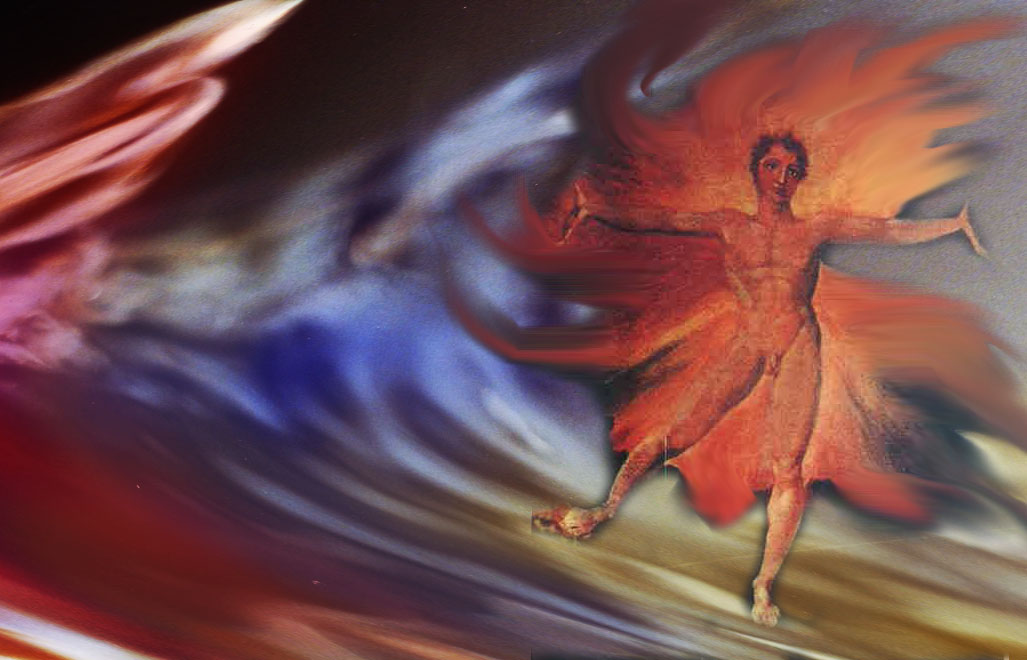
William Blake’s visionary mission still calls us.  Even in times that can be cynical, or nihilistic; even in times when people say they have no time for the imagination. I find it hard to shake off his apocalyptic eye, the intensity of his dreams; impossible for me to evade his Proverbs of Hell: “If a fool persists in his folly he may become wise.”  That is one of my favourites.  It could be my life’s maxim.  “A fool sees not the same tree that a wise man sees…”  That is a motto of perception, of training the eye to see more.  “Billy Blake,” I want to say.  I see him striding down a Chelsea street towards the Thames, chiding fellow Londoners for their lack of enthusiasm, condemning poverty and slavery, singing to the angels he saw in trees.  Blake is talkative company—Rintrah with a Cockney accent (I want him to sound like Michael Caine)—speaking his lines in my ears when I’m walking in my small edge town, often in my mind when I travel down electronic avenues.

Blake insists across the distances, saying to the dreamland in our imaginations, where all time is now, these words: loving is a portion of eternity.  Give us each day our shiver of recognition that eternity is in love with the productions of time.  What we make is our truth. If only we knew… if only we knew what happens when we open our caverned minds and breathe in the air that carries the music of the angels and the particles of Homer and Milton.  Blake says, get on with your call, crackle with life-fire.  He grew older while his spirit grew younger.  He instructs me: don’t be a poet or an artist, be all imagination, be all intelligible dreams: make things, and more: make worlds.

“Facing Eternity, Each Day: lyrical essays” B.W. Powe (Upcoming Publication)

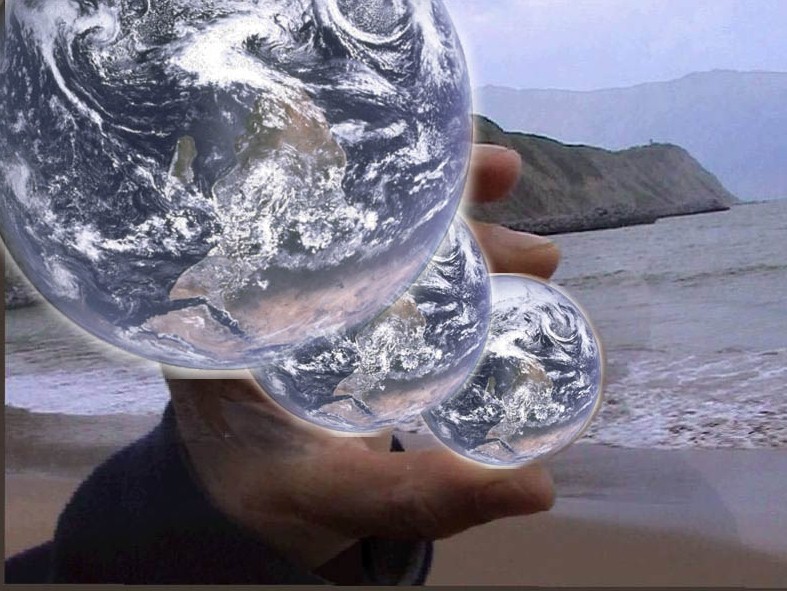
A Prayer

May the ability to see many points of view keep us gentle.

Photograph by Cristina Miranda de Almeida

Photograph by Cristina Miranda de Almeida

May the ability to see a future keep us bold.

May the ability to recognize and reject hard-headed inequities and needless cruelties keep us compassionate and hopeful.

May the ability to perceive patterns that are yet to be fully realized keep us directed in our hearts and minds.

May your heart be touched, don’t let it shrivel or let its beat be diminished: let your heart go unprotected.

May you know how to reposition yourself, and keep the compass of your heart under the stars.

May the ability to communicate and to face facts, and yet to dream new dreams and to imagine fuller lives, give us the sweet strength we need.

SAMSUNG“Towards a Canada of Light” BW Powe, 2006 (Thomas Allen)

 ISBN 0-88762-228-3

13 Ways of Looking at a Chair by BW Powe

13 Ways of Looking at a Chair by BW Powe

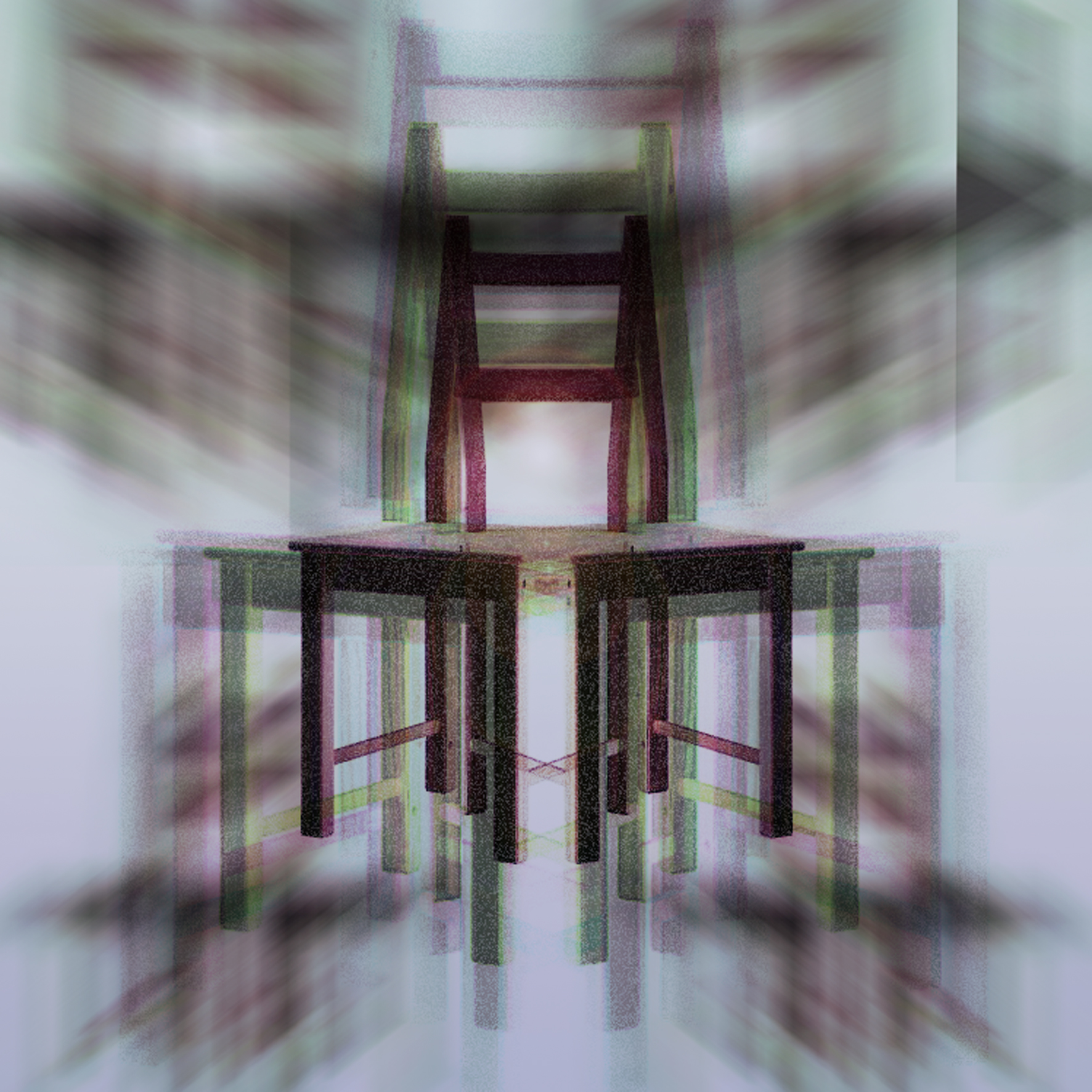
 Take this chair:                                            
Art by Cristina Miranda de Almeida

Art by Cristina Miranda de Almeida  

Yes, it’s a chair

1. Look quickly: astrophysics/ quantum mechanics;  electrons and protons whirling. Illusory firmness.  No solidity.

2. Made of cosmic dust. Same as stars and moons. Chaos dynamics

3. Plato, ultimate chair, this is a pale copy. Mimesis of absolute chair. (Shadows on the cave wall.)

4. A commodity. Marxist reading of materiality. Late industrial capitalism. Exploitation, alienation, inequality. The result is a chair of poor quality. The chairs in the prime minister’s office (or a CEO’s office) will be much more comfortable than this one.

5. Sign of the chair. The word ¨chair¨ is representation of a language system that influences consciousness. Arbitrary term. Linguistic needs imposed on meaningless universe.

6. Freudian. Does it have sexual overtones? Penis plus womb. Everything is sexualized. What can you imagine doing on a chair?

7. Mystic´s reading. This seemingly lone object is thronged by angels; invisible energies surround it…  God breathes into the cosmos and holds everything up with breath… First Nations’ elder would say the great creator co-creates the chair…

8. Historical chair. Who has sat there? Part of our culture and time. Put a plaque on it and it becomes memorabilia and tradition.

9. Figurehead… from a place, it symbolizes the place… from a university, maybe… we sit ready for wisdom… Configures power relations: the student sits, the teacher stands.

10. Healthwise. Probably not good for posture. Plastic also unlikely to be good for us. Still many have to sit to relax and receive.

11. A random chair. Forgettable. It will pass. It will break. Nihilist vision. Not important and neither are we.

12. According to Zeno’s Paradox, the chair doesn’t really exist. We never get to it… infinite particles of space prevent us from getting there.  The chair is unreachable, unknowable. Sounds like lines from a Tom Stoppard play. Splinter its particles and you have a Picasso cubist painting, the chair seen from many angles at once.

The chair… is it still there?

13. Common sense. It’s just a chair.  Kick it. My foot hurts. Ergo it exists. (Mystics and the philosopher Bishop Berkeley would emphatically deny the common sense test. Our senses can be deceived. )

Thirteen Ways of Looking at a Chair

From object to idea to symbol to process-event.

This is a variation on Wallace Stevens’s poem Thirteen Way of Looking at a Blackbird.

William Blake said, in The Marriage of Heaven and Hell… “A fool sees not the same tree that a wise man sees”

Visionary comprehension begins with the premise that all of the above are possibilities, if not true.

Seeing many possibilities at once means awareness will not be arrested in single vision.

Allatonceness leads to multidimensional awareness (opening time).